Deposits · April 8, 2026
PH deposits for online play: GCash, Maya and bank-payment basics
Payment safety guidance for Filipino adults comparing e-wallet and bank concepts, verification holds and deposit red flags.
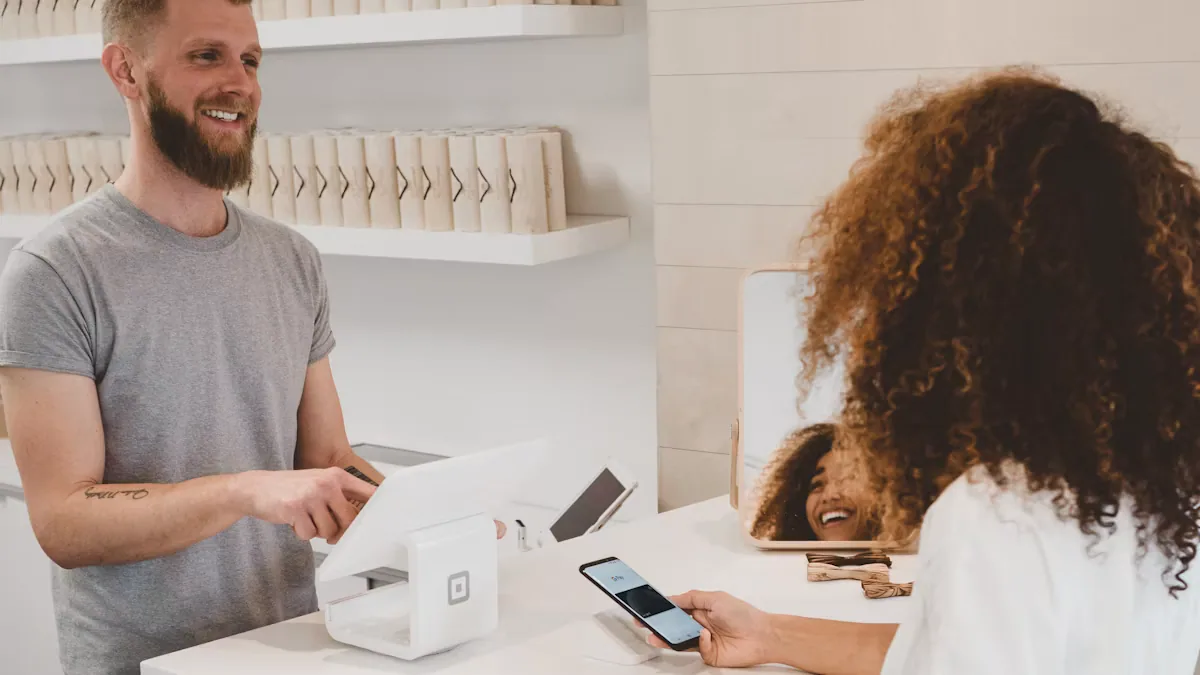 Deposits
Use one deliberate confirmation, then wait for the provider's record instead of sending repeated transfers after a short delay.
Start with a payment budget, not a payment button
A deposit is money leaving an account, even when an app makes it feel instant. Decide a maximum entertainment amount before comparing payment methods, and exclude money needed for rent, food, transport, debt or family commitments. This article explains general Philippine payment concepts; it is not a set of cashier instructions for any gambling service.
Use one deliberate confirmation, then wait for the provider's record instead of sending repeated transfers after a short delay.
GCash and Maya are account-based wallets
GCash and Maya are widely used e-wallet brands, but availability, transaction limits, verification status and fees can vary by account and over time. Use only an account in your own name, review the provider's current terms, and keep app notifications enabled. Do not assume that a wallet logo on a webpage proves who will receive a transfer.
Use one deliberate confirmation, then wait for the provider's record instead of sending repeated transfers after a short delay.
Bank transfers have a different record trail
A bank transfer may show a recipient name, reference number and processing status that should be saved. Before confirming, verify the account details through an independently trusted source, not a message that arrived through social media. Check whether a transfer is immediate, scheduled or subject to a cut-off. Once money is sent, reversing an error can be difficult.
Use one deliberate confirmation, then wait for the provider's record instead of sending repeated transfers after a short delay.
Minimums should be read as costs
A stated minimum deposit is not a recommendation to deposit that amount. Compare the minimum, potential fees and your own limit. If the smallest accepted amount exceeds what you were comfortable spending for entertainment, do not add more merely to reach it. The right payment method is one whose limits and records you understand, not the one advertised as fastest.
Use one deliberate confirmation, then wait for the provider's record instead of sending repeated transfers after a short delay.
Verification holds can be legitimate reviews
Payment providers and online services may pause a transaction while they check identity, account ownership or unusual activity. A review can be inconvenient, but it is not automatically proof of a problem. Read the written request, use official support channels, and provide documents only through a secure route you have independently verified. Never send an OTP or wallet PIN as 'verification.'
Use one deliberate confirmation, then wait for the provider's record instead of sending repeated transfers after a short delay.
Red flags mean stop before sending
Urgent messages, personal wallet addresses, requests to split a payment, and promises that a deposit unlocks a guaranteed result are serious warning signs. So are instructions to use another person's e-wallet or to send a second transfer to release the first. A third-party mention is never a guarantee of legitimacy, availability or payout.
Use one deliberate confirmation, then wait for the provider's record instead of sending repeated transfers after a short delay.
Keep a clean transaction record
Before and after a payment, retain the date, amount, recipient information and confirmation reference. Screenshots can help with a later support conversation, but do not post them publicly because they may expose private data. Reconcile wallet or bank activity regularly. A missing or unexpected entry is a reason to pause, not to send another payment immediately.
Use one deliberate confirmation, then wait for the provider's record instead of sending repeated transfers after a short delay.
Protect the phone that approves transfers
Use a screen lock, updated operating system and unique passwords for email and financial apps. Avoid initiating payments on public Wi-Fi or a borrowed device. A legitimate representative should not need remote access to your phone, its PIN, or a code sent by your bank or wallet. Contact the provider through its published channel if an alert looks suspicious.
Use one deliberate confirmation, then wait for the provider's record instead of sending repeated transfers after a short delay.
Make space for a change of mind
No deposit needs to happen because a countdown, bonus headline or chat agent says so. Take a break before confirming and ask whether the amount still fits the budget you set away from the screen. If online play is contributing to borrowing, secrecy, anxiety or missed obligations, do not deposit; consider account limits, a break and support from a trusted person.
A safer pre-transfer checklist
Before any transfer, confirm the website address, the recipient details, the exact amount and the account name you are using. Then wait for the payment-provider confirmation and preserve its reference. This short pause catches many mistakes caused by copied numbers, fake support accounts and rushed decisions. If any part cannot be independently confirmed, keep the funds in your own account and seek clarification through a published support channel. Treat an uncompleted payment as a reason to investigate, never as a reason to repeat a transfer blindly.